

Moths don't have the ability to bite very much the same that humans can. However, by chewing holes in clothes and other materials, they may harm the owner's belongings. Keeping them in boxes or bags which are hermetically sealed is the foremost solution to prevent this from happening.
Although adult moths usually do not bite, the mouthparts of these larval (caterpillar) stage have the ability to cause painful stings. Because of this, it is essential to make use of a repellent so they will stay away from your home.
They do not have any mouths of their own.
Moths, just like the ones you might see flying over your house, do not have mouths of their own. The antennae of these insects are employed for a range of tasks, including feeding on leaves and fruits, sucking nectar from flowers, and finding partners. They also have an organ that appears like a long straw that they utilize to swallow liquids and maintain the proper balance of these bodily fluids. These moths are unable to eat as they mature since they lose their jaws.
Adult moths are unable to bite humans for a number of reasons, the principal one being that they do not possess mouths. However, the larvae of some species of moths are mostly in charge of the harm they do to clothing and other forms of fabric. The larvae of some species of moths eat wool along with other forms of clothes, which might result in holes, stains, and other sorts of damage. The larvae of other kinds of moths feed on various houseplants and food stored in pantries, leaving behind holes and discoloration in the affected materials.
Moths are great mimics, and through time, they have developed a wide array of defense mechanisms to ward off potential predators. The Polyphemus moth, for example, has pronounced eye markings that provide it the looks of a hornet. The body of the wood nymph, an additional species of moth, resembles the droppings of a bird. For this reason, the moth is better able to escape being consumed by predators which are attracted to the smell of feces.

It's uncommon for moths to sting people, although certain species can handle doing so. When touched, the spine-like hairs of these moths will cling in to the skin and then release a chemical that will produce a severe sting. These moths are found in tropical and subtropical regions. In the vast majority of instances, these stings usually do not pose a threat to human health; but, some individuals could have an allergic response that manifests as red regions and lumps which are similar in appearance to hives. The medical term because of this ailment is lepidopterism.
They do not cause any pain.
Since moths usually do not possess any mouthparts which are with the capacity of biting into anything, it is impossible to allow them to bite people. However, they are capable of causing injury to your clothes as well as other issues around your house. Having an effective moth repellent can be your best bet for keeping moths away.
Moths within their stage as caterpillars are venomous and could bite, while adults do not. This takes place as a normal aspect of their growth as they chew through various things, including fabric and natural materials. The holes which are produced could be quite damaging to both your clothes and your linens.
Spines on the bodies of moth caterpillars serve the objective of protecting them from being eaten by other animals. These spines have the potential to get embedded in the skin under certain circumstances. They are also with the capacity of causing an allergic response known as lepidopterism, which is much like hives and could sting for a couple minutes at a time.
Nearly can moths sting , fortunately, do not have spines that are capable of stinging people; nevertheless, here are a few notable exceptions. For instance, the larva of the flannel moth contains spiky hairs that are with the capacity of readily being embedded in human skin. This might result in a painful, itchy, red area of lumps that seem similar to hives and may need treatment from the medical professional.
Other uncommon forms of moth caterpillars have spines that are covered with poison. These are often associated with the genus Calyptra, plus they have the potential to provoke a reply in human skin that is characterized by itching, redness, and blistering. It is also possible for it to result in a more severe response in the eye, one that may be deadly if the patient isn't treated with antivenom as quickly as possible.
They do not constitute a danger to one's health.
The majority of adult moth species usually do not possess the mouthparts necessary to bite, hence there's little danger to human health posed by these insects. However, several kinds of moth caterpillars have sharp hairs that appear to be spines and are in a position to deliver a terrible sting to humans. These stings may cause itching, discomfort that lasts for a few minutes, and red patches that appear to be hives on the victim's skin. These caterpillars have become uncommon and fortunately usually do not provide a serious threat to human health.
However, the larvae of moths may be rather hazardous. The larvae of the Clothes Moth, the Common Miller Moth, and the Pantry Moth feed on dry foods and textiles. In case you have an infestation of these bugs in your own home, your clothing may be ruined, as well as your food may go south. moth bite can handle eating through woodwork and other materials found in your house.
Moths don't have mouthparts, but they can handle contaminating food, which is particularly dangerous for small children. It is also known that germs and parasites could be carried by these moths. They are also in a position to contaminate the containers you use to store food along with other objects in your kitchen.
Typically, moths usually do not provide any kind of danger to human health unless you can find excessive numbers of them. Although most individuals will not be bothered by these insects, people that have sensitive skin or eyes might experience some discomfort because of their presence. In addition, they will have the potential to aggravate symptoms in those who already have problems with dermatitis or respiratory allergies. Furthermore, the current presence of moths might bring back allergy symptoms in somebody who is sensitive to dust mites. Simply because moths prey on dust mites.
They are a source of frustration.
Moths are a nuisance as the natural fibers of wool, silk, and other natural fibers are vunerable to having holes chewed in them by moths. These holes have the potential to ruin pricey bedding and apparel. In addition to this, they're a nuisance due to the fact that they can munch their way through carpets along with other materials. Moths, alternatively, usually do not pose any threat to human health. They are harmless , nor bite or sting. However, by puncturing the skin making use of their sharp hairs, they may lead it to become red and irritated. Itching and a rash that looks like hives may be due to these hairs.
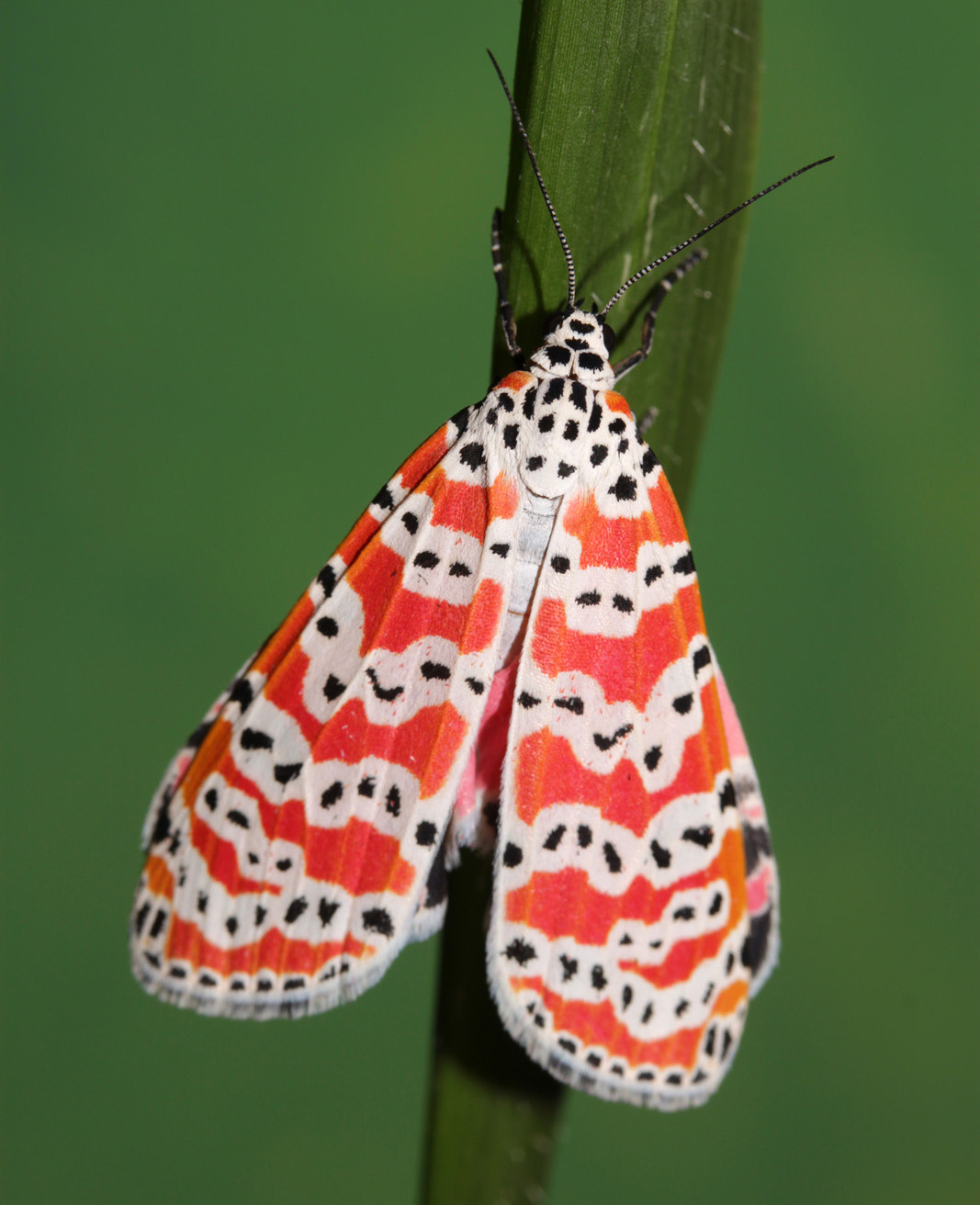
Moths have the ability to fly thanks to the wings they have. They can also utilize the scent receptors in their antennae to detect the current presence of food. Some species of moths possess mouthparts known as proboscises, which enable them to penetrate fruit along with other plants. The calyptra moth, sometimes known as the vampire moth, has a proboscis that's more specifically tailored to extract blood from fruits and other plants than other moths.
The majority of moths have a fuzzy, velvety texture and live in dark locations like closets and cabinets. You might find them there. They're active at night and carry out their day to day activities when most others are asleep. If can moths sting congregate in great numbers inside of dwellings, they may supply the impression they are a nuisance.
The widespread belief that moths may bite stems from the truth that these insects have the effect of creating holes in people's clothing. Alternatively, do moths attack humans is due to the larvae. Adult moths only consume nectar, plus they do not gnaw their way through fabric at all. When they congregate in huge numbers to breed indoors, it really is more of an annoyance than anything else. The butterfly population skyrockets in the spring and autumn, when it migrates to raised altitudes searching for food before hibernating for the wintertime.